

LABEL MATERIALS COMPARISON GUIDEPaper, White BOPP, Clear BOPP, Film & Specialty Stocks
How to Choose Label Materials — Summit Label Specialists on Paper, BOPP, Clear BOPP, and Performance Films
Choosing the right label material is one of the most important label decisions you'll make.
We brought our Label Specialists together to answer your most asked questions so you can make the best choice for your labels.
PRODUCT LABELS
MORE THAN
JUST PRETTY
STICKERS.
But also, that too!
Labels are more than just stickers — the material you choose affects print quality, durability, surface performance, cost, and sustainability.
At Summit, we help brands choose the right substrate every day. This guide compares the most commonly used materials so you can make confident decisions whether you’re printing in-house or ordering custom runs.
What Makes Label Material Choice Important
Label performance depends on:
-
Environment: moisture, cold, abrasion
-
Application surface: glass, plastic, metal, curved
-
Print method: digital, flexographic, inkjet, laser
-
Life expectancy: short-term promo vs long shelf life
The right material balances those demands without over-engineering your label.
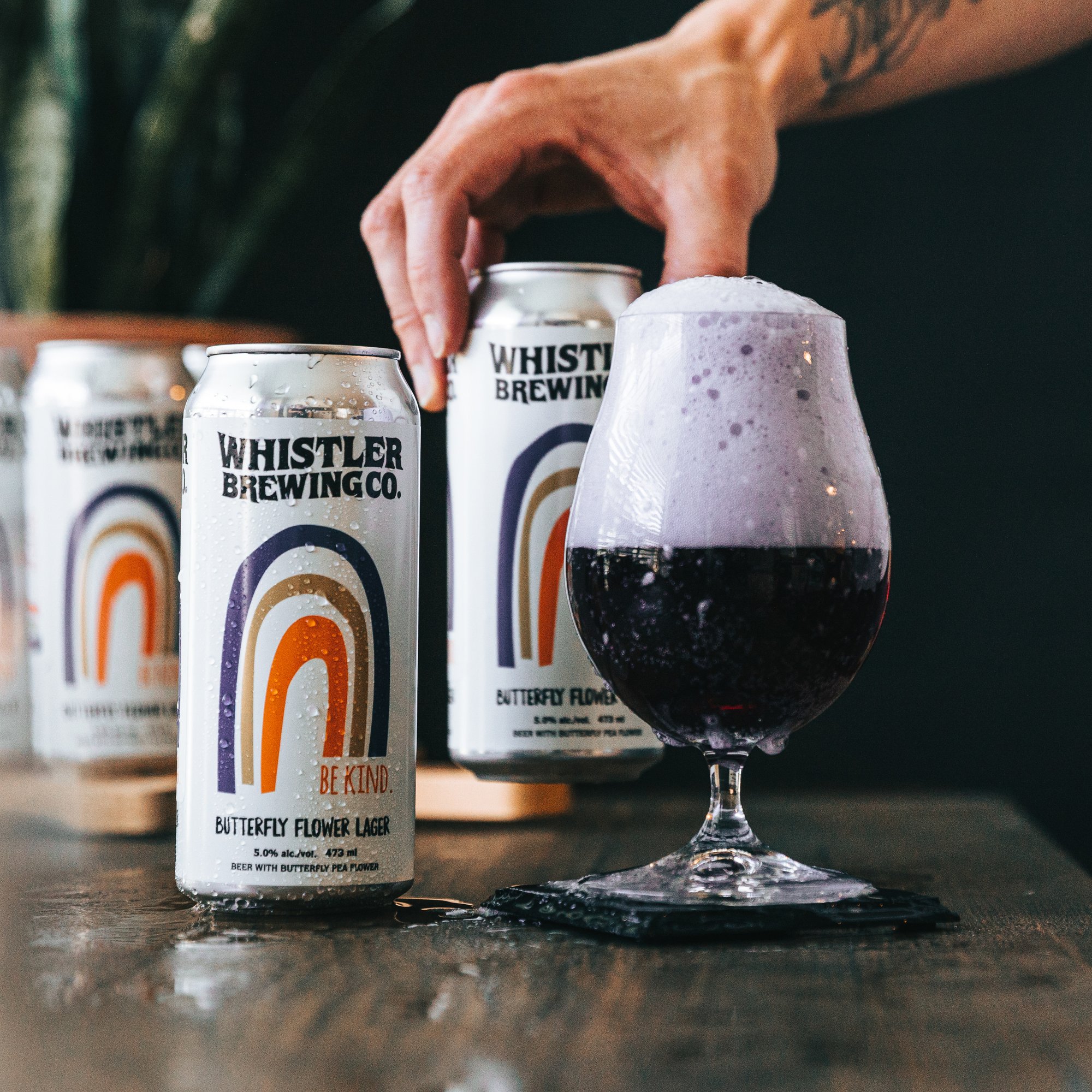
LET'S GET INTO IT.
We’ve got you covered.
Below you'll see a summary table of the qualities of each of our most popular label stocks. Keep reading for a more detailed breakdown of each!
| Property | Paper | White BOPP | Clear BOPP | Film / Specialty Stocks |
|---|---|---|---|---|
| Cost | Lowest | Low-Mid | Mid | Mid-High |
| Print Quality | Excellent | Excellent | Very Good | Very Good |
| Water Resistance | Poor | Excellent | Excellent | Excellent |
| Clarity / Transparency | Opaque only | Opaque | Transparent | Varies |
| Durability / Tear | Low | Medium | Medium | High |
| Best for | Indoor / Dry | Wet / Moist | Premium clear look | Demanding environments |
| Sustainability Options | FSC / Recyclable | Some | Some | Varies |
PAPER
STOCKS
AFFORDABLE
& HIGH-CONTRAST
What it is:
A coated or uncoated paper facestock optimized for printing.
Strengths:
-
Crisp, high-contrast print results
-
Great for retail price, promo, signage
-
Most economical
Limitations:
-
Poor moisture and abrasion resistance
-
Not suitable for outdoor or refrigerated applications
Best uses:
-
Dry products
-
Indoor labeling
-
Short run testing
What it is:
Biaxially Oriented Polypropylene (BOPP) is a plastic film that resists moisture and tearing.
Strengths:
-
Excellent water and scuff resistance
-
Strong print surface
-
Great all-around durability
Limitations:
-
Higher cost than paper
-
Not transparent
Best uses:
-
Beverage labels
-
Health and beauty labels
-
FMCG (fast-moving consumer goods)
WHITE BOPP
THE LABEL WORKHORSE
CLEAR BOPP
PREMIUM PERFORMANCE, SAME LOOK
What it is:
A clear version of BOPP that lets the container show through.
Strengths:
-
Same durability as white BOPP
-
Premium visual appeal
-
Ideal for minimalistic branding
Limitations:
-
Transparent materials show surface imperfections more clearly
-
Can be harder to read if contrast isn't consided
Best uses:
-
Clear packaging (glass, PET bottles)
-
Products with premium design focus
What they are:
PET films, metallized films, and engineered substrates for extreme environments.
Common features:
-
Extreme durability
-
High-heat resistance
-
Chemical resistance
Use cases:
-
Industrial, automotive, chemical drum labels
-
Outdoor exposure
- Long-life asset tags
From Summit Label Experts:
" Films beyond BOPP are ideal selections when performance demands exceed what standard materials can deliver—not necessary for beverage or health and beauty labels, but perfect for more demanding conditions."
SPECIALTY FILMS
PRINT COMPATIBILITY: INKJET, LASER, FLEXO
Not all materials behave the same with every print method.
-
Inkjet: needs absorbent coating
-
Laser: needs heat tolerance
-
Flexo: optimized for traditional press inks
Here are the best label stock pairings:
| Material | Best for Inkjet | Best for Laser | Best for Flexo |
|---|---|---|---|
| Paper | ✓ | ✓ | ✓ |
| White BOPP | ✓ | ✓ | ✓ |
| Clear BOPP | ✓ | ✓ | ✓ |
| Specialty Films | Depends | Depends | Depends |
Wondering what "depends" means for you? One of our Label Specialists would be happy to answer that for you!
*Pssst! They can also help with material-printer pairing advice to avoid smudging or adhesion issues.
LET'S TALK SUSTAINABILITY.
Paper: can be FSC certified and recyclable
BOPP: recyclable in many streams if adhesive is compatible
Films: varies by material and local recycling programs
Sustainable Material Tips:
1. Ask about recyclable facestock + adhesive combos
2. Consider returnable package formats
3. Request material certificates when available
What's Next?
Great news—you have choices! Order samples and get your hands on the actual materials, request a quote for a specific order, or reach out to a Label Specialist and get the conversation started!HOW TO CHOOSE (STEP-BY-STEP).
1. Define environment: wet, dry, cold, hot
2. Define surface: curved, rough, smooth
3. Choose performance target: short life, long life
4. Set budget range
5. Ask for material + printer pairing
Expert Recommendation: If in doubt, start with White BOPP for most consumer goods. Evaluate performance and adjust if your use case pushes extreme conditions.
COMMON QUESTIONS
What's the difference between paper and BOPP labels?
The key differences are water resistance, durability, cost, and finish. Paper is economical and great in dry conditions; BOPP resists moisture and handles transport better as it's durable and scratch-resistant.
Can I use clear BOPP on glass bottles?
Yes — clear BOPP works well on glass and plastic, offering a premium look while retaining durability.
Are specialty films worth the cost?
If your labels face extreme temperatures, chemicals, or outdoor exposure, specialty films can reduce rework and waste—often justifying the higher material cost.

Follow Us